What a man does defiles him, not what is done by others …
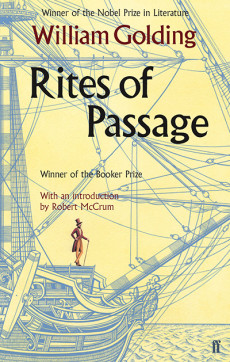
Rites of Passage
Rites of Passage is the first book in Golding’s ‘A Sea Trilogy’.
Sailing to Australia in the early years of the nineteenth century, Edmund Talbot keeps a journal to amuse his godfather back in England. Full of wit and disdain, he records the mounting tensions on the ancient warship, where officers, sailors, soldiers and emigrants jostle in the crammed spaces below decks.
Then a single passenger, the obsequious Reverend Colley, attracts the animosity of the sailors, and in the seclusion of the fo’castle something happens to bring him into a ‘hell of self-degradation’, where shame is a force deadlier than the sea itself.
Rites of Passage won the Booker Prize in 1980.
Judy sets the scene for the epic voyage to Australia
Resources
Reverend Colley
Reverend Robert James Colley appears in the first book of Golding’s Sea Trilogy, Rites of Passage, and is often mentioned in the following two volumes. He […]

News & Articles
William Golding Christmas Gift Guide
Looking for gifts for book lovers this Christmas? Our guide to Golding’s incredibly diverse books will help you find a gift to suit any tastes! […]
'Rites of Passage celebrates a great sea journey; it tackles vexed issues of class and sexuality; and it shows off Golding's prose at its most edgy and exhilarating'.
Robert McCrum